



 Located along the Cape Fear River, Carolina Beach State Park is home to some of the coast’s most surprising natural and historical treasures – from wild Venus flytraps and rare limesink ponds to stories of Indigenous communities, pirates and Civil War conflict. Since its establishment in 1969, the 761-acre park has become a favorite destination for hikers, paddlers, birders and anyone curious about North Carolina’s coastal ecosystems and history.
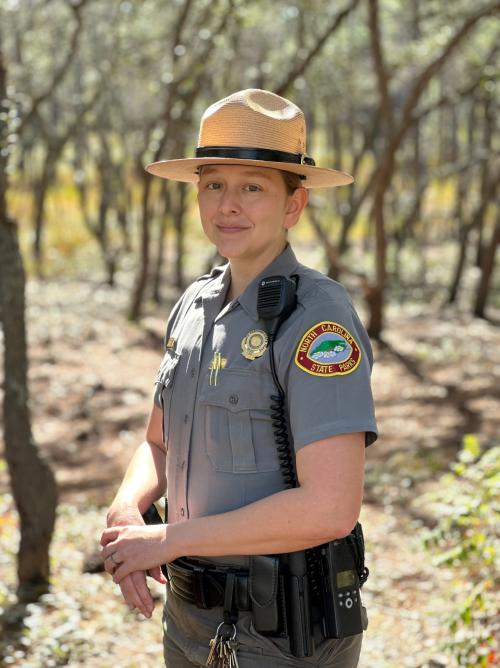
For Superintendent Crystal Lloyd, the park represents both a professional milestone and a place she’s admired since her earliest days working for North Carolina State Parks. In this Q&A, she shares what drew her to the park, the rare natural features and stories that make it so fascinating, and the best ways to experience Carolina Beach like a local.
What are some aspects of your professional journey leading up to your time at Carolina Beach State Park?
I started working for North Carolina State Parks when I was 16 and was a seasonal employee through high school and college. After earning my bachelor’s degree in parks, recreation and tourism management from N.C. State University, I then got hired as a full-time park ranger in 2012. Over the last almost 15 years, I’ve worked at Cliffs of the Neuse State Park, Falls Lake State Recreation Area and now I’m at Carolina Beach State Park as the superintendent.
What brought you to Carolina Beach and, specifically, Carolina Beach State Park?
When I was a “baby ranger,” I did a lot of my environmental education training at Carolina Beach State Park. That’s when I discovered how special this place is – it has a marina, a campground, trails and – of course – it’s at the beach! I remember thinking it would be a pretty cool place to live.
Fast forward a few years: the superintendent here retired while I was the superintendent at Falls Lake State Recreation Area. I realized this was my chance! I applied, got the job and, for the past couple years, it’s been a fun journey.
What do you enjoy most about working at the park?
Everything about this park is so unique – the environment, the flora, the fauna, the different ecosystems we have here. I also love getting to interact with visitors. We have our locals who are here every day walking their dogs or going for a run, but we also get to meet people who are on vacation and maybe even experiencing the park for the first time. Whether you’re here to get out on the water, camp, go birding or join us for a guided nature walk, it’s fun to connect with so many people about their different backgrounds and interests.
What might a perfect day at Carolina Beach State Park look like?
I would suggest coming on a weekday to fully enjoy the quiet, serene side of the park. You could start by doing some birding down at the Marina – right now, we’re in peak painted bunting season (late spring through summer), so you can see one of those really colorful, unique, rare birds here at the park. Then, take a nice 3-mile hike on the Sugarloaf Trail, which takes you through a lot of our different ecosystems and history. You’ll get to stroll along the Cape Fear River and climb to the top of the Sugarloaf Dune, a landmark that’s been appearing on navigational maps since the 1600s. It was even the site of a Civil War battle after the fall of Fort Fisher, so you get this amazing blend of local history and beautiful natural scenery. If you’re not camping at the park, come back in the evening – it’s the best place on the island to watch the sunset.
Do you have a favorite “fun fact” about the park’s ecology or history?
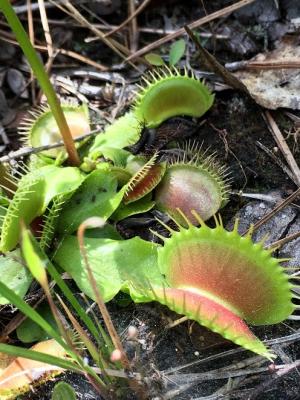
Our go-to “wow” fact is that we’re one of the few places in the entire world where you can find Venus flytraps growing naturally. Within about a 60- to-70-mile radius, this is the only place they exist in the wild, and here in the park, you can see plenty.
The amount of history here is incredible, too. The Cape Fear Indians once used this land, a Civil War battle took place here after Fort Fisher fell and we even had pirate activity right out on the Cape Fear River.
As you mentioned, Carolina Beach is known for its Venus flytraps. What should people know about them before visiting the park?
They’re just super cool little plants to see. What we hear the most is, “Oh, that’s how big they are?” Everyone has it in their mind that the flytraps are 2, maybe 3 feet tall, but they’re actually about the size of a quarter – and that’s if they’re doing really well. So, they can be hard to find on the trail if you don’t know what you’re looking for.
Here at our Visitor Center, we actually have a planter of Venus flytraps, along with a bog garden where you can practice identifying them in a more natural area. That way, when you go out on the trail, you’ll be successful in finding them.
What other fascinating natural features might visitors find in the park?
Our three limesink ponds – the Lily Pond, the Grass Pond and the Cypress Pond – are a super rare geological feature, created by ancient limestone sinking and degrading over time. The Lily Pond, as you might guess, is full of lily pads, so it’s a cool thing to come across in the middle of the forest.
Beyond the Venus flytraps, we have other carnivorous plants here as well, such as pitcher plants, sundews, bladderworts and butterworts!
Are there any ranger-led programs, exhibits or seasonal events at Carolina Beach State Park that visitors should check out?
 Over the summer (June through August), we’re doing Flytrap Fridays at 9 a.m. at the Flytrap Trail trailhead, where you can join one of our educational staff for a guided hike. We also offer a Bird Hike on the third Wednesday of each month at 8 a.m., departing from the Marina.
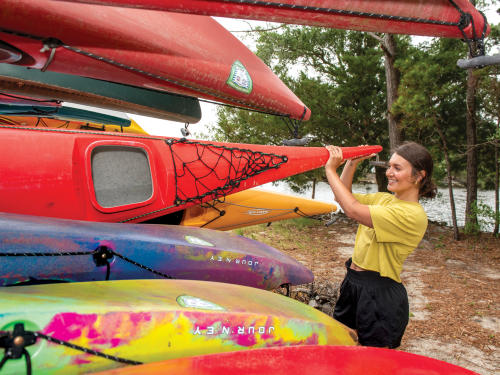
We recently launched guided kayak tours on select dates from 9 a.m. to 11:30 a.m. Bring your own kayak (you can rent gear from Paddle NC) and explore the river with one of our rangers. To see upcoming tours and register, visit the Carolina Beach State Park website.
What else would you tell first-time visitors who are interested in exploring the park?
Make sure you stop by the Visitor Center, grab a map and ask staff there (or at the Marina) if you’re unsure of what to see first. We’d love to give you recommendations based on your goals for the day. Also, make sure you have water, sunblock and appropriate footwear before heading out on the trails!
What are your favorite ways to get outside in Carolina Beach and surrounding areas (Kure Beach, Wrightsville Beach and Wilmington)?
At Carolina Beach and Kure Beach, I obviously love hanging out on the beach and swimming in the ocean. My husband and I like to fish at the Kure Beach Fishing Pier, as well as explore Fort Fisher State Recreation Area.
As far as island eats, I think we go to El Cazador at least once a week, if not more! We eat at Butts-N-Such a lot, too. Ice cream at Boombalatti’s is a regular occurrence.
In your opinion, what sets Carolina Beach’s history and culture apart from other coastal destinations?
We have much more to offer here on the island and in Wilmington than just the beach. It’s a place where you can make the most of your vacation, whether you’re coming to Carolina Beach State Park, going to Fort Fisher State Historic Site or checking out all our amazing local restaurants and ice cream shops. We also have Wilmington just a short drive away, where you can walk along the Riverwalk, explore the historic Battleship NORTH CAROLINA and more. It’s not just, “Hey, I’m going to spend my whole vacation on the beach every single day” – you have the opportunity to experience unique coastal ecosystems and historic landmarks while actually learning something, too.
For more details about Carolina Beach State Park and all it has to offer, visit ncparks.gov/state-parks/carolina-beach-state-park.